
Introduction to Wood Based Panel Suppliers in Delhi
Are you looking for reliable wood based panel suppliers in Delhi for residential interiors, commercial projects, modular furniture, or large-scale construction requirements? Choosing the right wood-based panels is essential for achieving durability, attractive finishes, and dependable performance. From plywood and MDF boards to particle boards, HDF boards, and decorative panels, these materials are widely used in modern furniture manufacturing, interior design, and architectural applications.
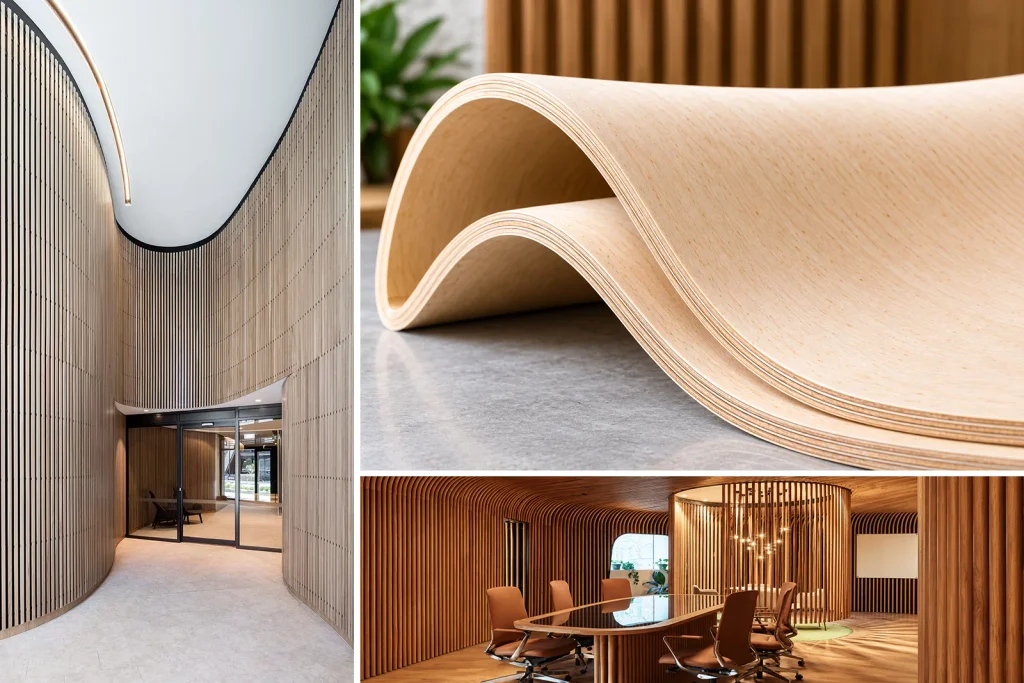
Pyrawood is the brand to explore when searching for wood-based panel solutions for your project. Wood-based panels are engineered to offer a range of practical benefits, including consistent thickness, convenient fabrication, versatile surface finishing, and efficient use of wood resources. The right panel can help create functional kitchens, stylish wardrobes, office furniture, retail displays, wall features, and many other interior applications.
Delhi has a diverse market for construction materials, furniture boards, and interior design products. Architects, builders, carpenters, furniture manufacturers, interior designers, and homeowners need materials that meet their design specifications and project requirements. Understanding the available panel types, their properties, and their ideal uses can make the purchasing process easier.
Whether you are renovating an apartment, furnishing an office, developing a retail space, or managing a commercial project, selecting suitable wood-based panels is an important step towards achieving the desired results.
Why Choose Wood Based Panels for Modern Interiors?
Wood-based panels have become an important part of contemporary construction and interior design. Compared with traditional solid timber, many engineered panels offer more uniform dimensions and are available in different thicknesses, grades, and surface options.
Their versatility makes them suitable for a wide variety of applications, from basic furniture structures to decorative interior elements.
1. Versatile Applications
Wood-based panels can be used in kitchens, bedrooms, living rooms, offices, hotels, shops, educational institutions, and other commercial spaces. Depending on their composition and grade, they can serve as cabinet carcasses, wardrobe components, shelves, partitions, furniture panels, and decorative surfaces.
2. Consistent Dimensions
Engineered panels are manufactured using controlled processes. This can help provide consistent dimensions and predictable working properties, making them suitable for furniture production and modular interior systems.
3. Design Flexibility
Different panel types support different finishes and fabrication methods. Some are suitable for laminates and veneers, while others work well with paint, edge banding, CNC routing, or decorative surface treatments.
4. Efficient Material Utilisation
Many engineered wood products use wood fibres, particles, strands, or veneers to manufacture usable boards. This can make efficient use of available wood resources, depending on the manufacturing process and the source materials.
5. Options for Different Budgets
The wood-panel market includes products for economical furniture, standard residential interiors, premium modular kitchens, and specialised commercial applications. Buyers can compare materials according to performance, appearance, and budget instead of relying on price alone.
Types of Wood Based Panels Available for Interior Projects
When looking for wood based panel suppliers in Delhi, it is important to understand that different boards are designed for different purposes. The following are common panel categories to consider when planning a project.
1. Plywood
Plywood is manufactured by bonding thin wood veneers together, generally with the grain direction of adjacent layers arranged to improve strength and dimensional stability.
It is widely used in furniture manufacturing, cabinets, shelves, doors, partitions, and interior fit-outs. Different plywood grades are available for different moisture and performance requirements.
For example, MR-grade plywood is generally intended for interior applications with limited moisture exposure, while BWR and BWP grades are selected for applications requiring greater moisture resistance, subject to the product’s actual specifications.
Common applications:
- Modular kitchen cabinets
- Bedroom wardrobes
- Beds and furniture frames
- Office desks and storage units
- Interior partitions
- Shelving and cabinetry
Always select plywood according to the intended use, relevant standards, and manufacturer specifications. A moisture-resistant grade should not automatically be considered suitable for continuous immersion or every outdoor application.
2. Medium Density Fibreboard (MDF)
MDF is an engineered panel made from wood fibres combined with a bonding system and compressed into a board. Its relatively smooth, uniform surface makes it useful for many decorative and furniture applications.
MDF is frequently chosen for painted furniture, cabinet doors, decorative mouldings, wall features, and CNC-cut designs.
Advantages and uses of MDF include:
- Smooth surfaces for painting and finishing
- Uniform material for decorative fabrication
- Suitability for detailed routing and profiling
- Use in cabinet components and furniture panels
- Compatibility with suitable laminates and veneers
Standard MDF is not inherently waterproof. For kitchens, utility areas, or other locations where humidity is a concern, choose an appropriate moisture-resistant product and follow the manufacturer’s installation recommendations.
3. High Density Fibreboard (HDF)
HDF is manufactured from wood fibres at a higher density than typical MDF products. It is commonly used in applications where a dense, relatively thin and uniform panel is required.
Depending on its grade and specifications, HDF can be used for furniture components, backing panels, flooring-related products, and certain decorative applications.
When comparing HDF products, buyers should consider thickness, density, surface finish, moisture performance, and the intended installation method.
4. Particle Board
Particle board is manufactured by bonding wood particles with a suitable resin or adhesive system under pressure and heat.
It is commonly used in cost-conscious furniture manufacturing, shelving, storage units, office furniture, and modular cabinetry. Pre-laminated particle boards can help reduce the additional finishing work required for selected applications.
Important considerations include load requirements, edge protection, fastener holding, and exposure to moisture. Standard particle board may swell or lose performance when exposed to excessive moisture.
5. Block Board
Block board typically consists of a core made from wood strips or blocks covered with veneer layers. It is used in selected furniture and joinery applications where a suitable board with a lightweight core is required.
Depending on the grade and construction, it may be considered for doors, long shelves, tables, partitions, and other furniture components.
Before selecting block board, compare its core construction, thickness, grade, and suitability for the proposed application.
6. Decorative Wood Panels
Decorative panels help create visually appealing interiors without requiring every surface to be made from solid timber.
They are used for feature walls, television units, office reception areas, retail displays, decorative partitions, and selected ceiling applications.
Available designs in the wider market may include wood-grain finishes, textured surfaces, fluted profiles, and contemporary patterns. Product availability, dimensions, installation requirements, and material composition should be confirmed before ordering.
Pyrawood: Wood Based Panel Solutions for Delhi
For customers researching wood based panel suppliers in Delhi, Pyrawood is a brand to consider when exploring panel options for interior and furniture projects.
A successful panel selection process begins with understanding the project. A wardrobe, modular kitchen, office workstation, and decorative wall installation may require different board properties, thicknesses, and finishes.
When evaluating Pyrawood products, buyers should identify the exact product category, grade, size, thickness, finish, and intended application. This helps ensure that the material selected matches the technical and aesthetic requirements of the project.
Solutions for Homeowners
Homeowners often require wood-based panels for wardrobes, kitchen cabinets, beds, storage units, dressing tables, and entertainment units.
The ideal product depends on the location of the furniture, expected usage, exposure to moisture, and the desired finish. Choosing the correct board can help improve the suitability and service life of the finished installation.
Solutions for Interior Designers
Interior designers need materials that support the project’s visual concept while meeting functional requirements. Panel selection may involve comparing colour, texture, edge finishing, machining requirements, and compatibility with laminates or veneers.
Coordinating these details before ordering can help reduce material mismatches and installation delays.
Solutions for Carpenters and Furniture Manufacturers
Carpenters and furniture manufacturers require boards that are suitable for cutting, drilling, joining, edge finishing, and assembly.
The appropriate choice depends on the furniture design, fastening method, load requirements, workshop equipment, and finish specifications. Confirming these details before purchasing can help reduce material wastage.
Solutions for Builders and Contractors
Construction and interior fit-out projects often require consistent material specifications across multiple rooms or sites.
Contractors should compare product documentation, available dimensions, batch consistency, delivery arrangements, and applicable standards when selecting a supplier. For larger orders, it is useful to confirm stock availability and delivery schedules in advance.
Applications of Wood Based Panels in Delhi
Wood-based panels serve a broad range of residential, commercial, and institutional requirements.
Modular Kitchens
Panels are used for cabinet carcasses, shutters, drawer components, and storage systems. Because kitchens may experience humidity, spills, and temperature changes, material selection should account for moisture exposure and the manufacturer’s recommended application.
Wardrobes and Bedroom Furniture
Plywood, MDF, particle board, and other engineered panels may be used for wardrobe frames, shelves, doors, drawers, and dressing units.
The choice depends on the furniture design, hardware, loading, finish, and budget.
Office Furniture
Desks, conference tables, cabinets, storage units, reception counters, and workstations commonly use engineered wood panels.
Commercial furniture projects benefit from clearly specified dimensions, suitable edge protection, and consistent finishes.
Retail Shops and Showrooms
Wood-based panels can be incorporated into product displays, shelving, counters, wall features, and storage fixtures.
For retail environments, buyers should consider visual appeal, expected wear, cleaning requirements, and the ease of replacing damaged components.
Hotels and Hospitality Interiors
Hotel rooms, reception areas, restaurants, and other hospitality spaces may use wood-based panels for furniture, partitions, cabinetry, and decorative features.
Where fire performance, hygiene, or other specialised requirements apply, select products with the required verified specifications rather than relying on appearance alone.
Wall Panelling and Decorative Features
Decorative wood panels can enhance living rooms, bedrooms, reception areas, and meeting rooms. Proper installation, substrate preparation, and consideration of humidity are important for achieving a consistent finish.
How to Select the Right Wood Based Panel Supplier in Delhi
Choosing a supplier involves more than comparing prices. A reliable purchasing process should consider product suitability, documentation, availability, and service.
1. Identify the Correct Product
Determine whether your project requires plywood, MDF, HDF, particle board, block board, or another panel type. Each product has different properties, so the selection should reflect its intended application.
2. Check Product Specifications
Review the board’s thickness, dimensions, grade, density where relevant, surface quality, and moisture performance. Ask for technical data sheets and relevant conformity documents when needed.
3. Compare Finishing Requirements
Some panels are supplied in a raw form and require additional finishing. Others may be pre-laminated or prepared for specific decorative treatments.
Calculate the total cost of the finished component, including laminate, veneer, adhesive, edge banding, cutting, hardware, and installation where applicable.
4. Assess Quality and Consistency
Check boards for visible damage, uneven edges, surface defects, and dimensional inconsistencies. For bulk purchases, confirm that the products supplied match the approved specifications and sample.
5. Confirm Availability and Delivery
For time-sensitive projects, ask about stock, order quantities, dispatch schedules, transport arrangements, and delivery access at the project site.
6. Compare Overall Value
The lowest-priced panel may not be the most economical option if it requires extra finishing, generates more waste, or is unsuitable for the application.
Compare the total installed cost, expected usage, maintenance requirements, and product warranty where applicable.
7. Ask About Responsible Sourcing
Where sustainability is important, ask whether the supplier can provide credible documentation concerning wood sourcing, relevant certifications, recycled content, or product emissions.
Avoid assuming that every engineered wood panel is automatically environmentally preferable. Its overall impact depends on the raw materials, adhesives, manufacturing process, durability, and sourcing practices.
Why Delhi Buyers Should Plan Their Panel Purchases Carefully
Delhi’s residential construction, renovation, furniture, and commercial interior sectors create demand for a wide variety of wood-based materials.
However, different applications require different performance characteristics. A board suitable for a bedroom cabinet may not be appropriate for a damp utility area, a heavily loaded shelf, or a specialised commercial installation.
Planning the material list in advance can help buyers avoid purchasing incompatible products. Architects and contractors should specify the panel type, thickness, finish, grade, and relevant performance requirements in the project documentation.
For homeowners, discussing the furniture design with the carpenter or interior designer before buying materials can make the process more efficient.
Pyrawood can be included in your research when comparing wood-based panel options for your next project. Confirm the specific products, technical details, pricing, and availability directly with the company before placing an order.
Frequently Asked Questions (FAQs)
1. What are wood-based panels?
Wood-based panels are engineered boards made using wood veneers, fibres, particles, strands, or similar wood materials bonded or processed into sheets. Common examples include plywood, MDF, HDF, particle board, and block board.
2. Who are wood based panel suppliers in Delhi?
Wood-based panel suppliers provide boards and related materials for furniture manufacturing, interior design, construction, and decorative applications. Buyers looking for Pyrawood products should contact the company through its official website to confirm its current range, supply arrangements, and availability.
3. Which wood-based panel is best for modular furniture?
The best panel depends on the furniture design, loading, moisture exposure, surface finish, and budget. Plywood, MDF, and particle board are all used in modular furniture, but they are not interchangeable in every application.
4. Is MDF better than plywood?
Neither material is universally better. MDF offers a smooth, uniform surface that is useful for painting and detailed decorative work. Plywood is often selected for applications requiring suitable structural performance and screw-holding characteristics. The right choice depends on the product grade and application.
5. Are wood-based panels suitable for kitchens?
Yes, selected wood-based panels are used in kitchen cabinetry. However, kitchens can experience humidity, splashes, and leaks. Choose a suitable grade, protect exposed edges, use appropriate hardware and adhesives, and follow the manufacturer’s installation instructions.
6. What is the difference between MDF and particle board?
MDF is manufactured primarily from wood fibres, while particle board is manufactured from wood particles. Their surface characteristics, machining behaviour, density, fastener performance, and moisture response vary by product and grade.
7. How can I choose the correct panel thickness?
The required thickness depends on the component’s dimensions, expected load, support spacing, hardware, and design. Follow the furniture designer’s specifications and the manufacturer’s recommendations rather than choosing thickness based only on price.
8. Are wood-based panels available in decorative finishes?
Many types of wood-based panels are available with decorative finishes, including laminates, veneers, and pre-laminated surfaces. The available colours, patterns, textures, and dimensions depend on the product range.
9. What should I check before buying wood-based panels in Delhi?
Check the product type, grade, thickness, dimensions, surface condition, intended application, documentation, price, delivery schedule, and warranty terms. For bulk orders, confirm the quantity and specifications before dispatch.
10. How can I contact Pyrawood for wood-based panel requirements?
Visit the official Pyrawood website at https://www.pyrawood.in/ to explore the company and make an enquiry. Contact the company directly to confirm its current product catalogue, technical specifications, pricing, availability, and delivery options.
Conclusion
Finding suitable wood based panel suppliers in Delhi is an important step in planning quality furniture, residential interiors, and commercial fit-outs. Understanding the differences between plywood, MDF, HDF, particle board, block board, and decorative panels helps buyers make informed decisions based on performance, appearance, and budget.
Whether you are a homeowner, architect, interior designer, carpenter, furniture manufacturer, or contractor, begin by defining the project’s requirements and verifying the specifications of the products you intend to use.
Explore Pyrawood through its official website to learn more about its wood-based panel offerings and discuss your project requirements directly with the company.
Pyrawood – Explore Wood Based Panel Solutions for Your Next Project in Delhi.